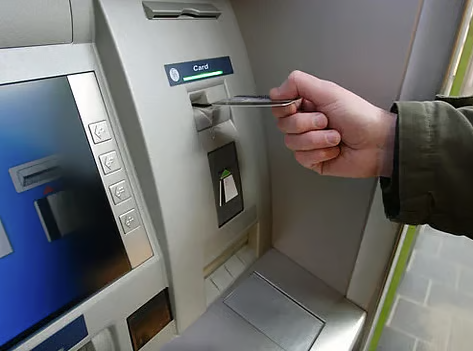
Biometrics in banking security marks a shift toward intrinsic identifiers for identity verification and fraud reduction. The approach combines multi-factor and adaptive methods to balance convenience with risk-aware controls. Governance, privacy, and regulatory alignment shape policy and safeguards, while data minimization and auditability remain core. Deployment prompts practical questions about interoperability, consent, and equitable access. The discussion continues as institutions weigh implementation, security guarantees, and long-term implications for customer autonomy and trust.
Biometrics in Banking Security
Biometrics in banking security represents a key evolution from traditional knowledge- and possession-based methods to intrinsic, physiological identifiers. The analysis emphasizes measured adoption, risk assessment, and policy alignment. The discussion frames biometrics ethics as governance challenges, balancing innovation with privacy, consent, and rights. Biometric governance structures seek transparency, accountability, and auditable safeguards, ensuring reliable, equitable access while preserving user autonomy and freedom.
How Multi-Factor and Adaptive Authentication Work in Practice
Multi-factor and adaptive authentication combine several verification factors and contextual signals to determine user legitimacy at the point of access. In practice, systems evaluate credentials, device health, and behavioral patterns, adjusting risk thresholds in real time. This approach preserves user autonomy while strengthening security, yet raises privacy concerns and requires vigilance regarding device integrity, data minimization, and transparent policy communication.
Regulatory, Privacy, and Risk Management Considerations
The analysis emphasizes privacy governance to balance data minimization and transparency with security needs.
It reviews regulatory compliance frameworks, risk appetite, incident response, and accountability mechanisms, ensuring auditable controls and ongoing oversight without compromising user autonomy or operational resilience.
Deployment Challenges, Future Trends, and Implementation Roadmap
Implementing biometrics in banking security faces practical constraints that shape both feasibility and pace.
Deployment challenges include interoperability, legacy systems, and scalable data governance frameworks.
Future trends emphasize liveness checks, privacy-preserving templates, and edge processing.
An implementation roadmap prioritizes phased pilots, robust consent mechanisms, and continuous risk assessment, ensuring user consent is explicit and data governance remains transparent and enforceable across platforms.
See also: Exploring the Future of Tech-Driven Personalized Learning
Frequently Asked Questions
How Effective Is Biometric Data for Fraud Prevention?
Biometric data accuracy varies by modality, but overall shows substantial crop in fraud detection effectiveness. Historically, multi-factor approaches outperform single signals; continuous authentication and liveness checks further improve reliability, balancing convenience with security for audiences seeking freedom.
Can Biometrics Replace All Passwords in Banking?
Biometrics cannot replace all passwords in banking. The system would face biometric fatigue and enrollment bottlenecks, undermining accessibility; yet it remains a precise, analytical option for freedom-minded audiences, framed with irony to spotlight dependency risks.
What Happens if a Biometric System Fails?
When a biometric system fails, the process relies on failed sensor handling and fallback authentication measures; institutions implement redundant verification, audit trails, and manual overrides, ensuring continuity while minimizing risk and preserving user autonomy and security assurances.
How Is Biometric Data Protected From Breaches?
A striking 60% breach reduction is achieved when biometric data encryption and secure key management are implemented rigorously; biometric data encryption protects templates, while secure key management isolates keys from systems, sustaining resilience against unauthorized access and breaches.
Are There Biases in Biometric Authentication Systems?
Biometric authentication systems exhibit bias concerns; disparities across demographic groups affect accuracy. A fairness assessment reveals failure rates vary by skin tone, age, and gender. Mandated audits and transparent reporting are essential for ongoing bias mitigation and accountability.
Conclusion
Biometrics promise stronger security, yet their success hinges on governance as much as gateways. The methodical adoption of consent, data minimization, and auditable safeguards exposes a paradox: authentication can be seamless only when privacy is consciously constricted. Satire reveals the ironies of trust—banks guard quirks of identity while customers guard quirks of patience. In sum, rigorous risk management paired with transparent ethics may keep biometric ambitions humane, not merely clever, bells-and-whistles security.