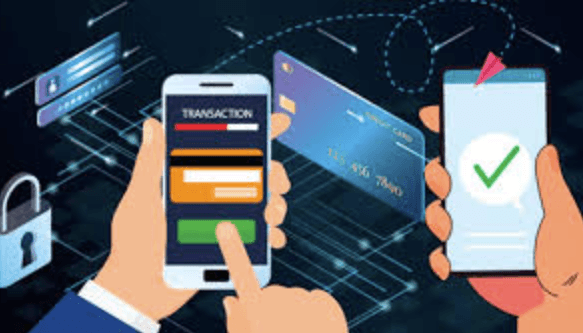
The future of digital payments unfolds as a data-driven balance of speed, security, and interoperability. Real-time, cross‑border rails and modular APIs will enable seamless flows, while robust privacy and fraud defenses preserve trust. Embedded finance, CBDCs, and ambient commerce promise broader inclusion, yet they demand clear governance and resilient infrastructure. The path is pragmatic, not proclamatory, inviting organizations to align standards and innovate responsibly as markets evolve—and pace will depend on cooperative execution across ecosystems.
What Is Driving the Next Wave of Digital Payments
The next wave of digital payments is being propelled by a confluence of regulatory clarity, advancing infrastructure, and consumer expectations for speed and security. This trajectory emphasizes privacy innovation and user trust, translating complex compliance into seamless experiences. Data-driven governance, modular platforms, and interoperable standards coalesce to enable autonomous choice, while risk-aware design protects privacy and builds durable legitimacy across markets and users.
Real-Time, Cross-Border Transfers: Making It Instant and Seamless
Instant cross-border transfers are converging on real-time execution through standardized rails, interoperable wallets, and real-time settlement rails that reduce latency from hours to seconds.
The trajectory blends open APIs, predictable costs, and auditable data flows, enabling global commerce with enhanced transparency.
Instant transfers and cross border settlement unlock freedom through faster, reliable, and verifiable value movement at scale.
Security, Privacy, and Smart Fraud Protection in a Frictionless World
As digital payments evolve toward frictionless interaction, security, privacy, and smart fraud protection must operate in lockstep with speed, transparency, and interoperable ecosystems.
The approach blends robust security hygiene with adaptive analytics, enabling rapid threat detection and containment.
Privacy controls empower users without slowing commerce, while risk scoring informs dynamic fraud thresholds, preserving trust and freedom in a data-driven marketplace.
The Road Ahead: Embedded Payments, CBDCs, and Ambient Commerce
Embedded payments, central bank digital currencies (CBDCs), and ambient commerce redefine how value moves across ecosystems, expanding the scope of frictionless outcomes beyond traditional wallets.
The road ahead balances openness and security, enabling interoperable rails and programmable payments. Data-driven insights will guide policy and UX, while pragmatism sustains user freedom, efficiency, and trust in ambient commerce, embedded payments, cbdcs, road ahead.
Frequently Asked Questions
What Are Micropayments and How Will They Monetize Small Transactions?
Micropayments enable tiny transactions via microtransactions economics, monetizing increments through optimized pricing, friction reduction, and recurring micro-fees. Analysts emphasize user segmentation strategies, experimentation, and data-driven models that scale wallets while preserving freedom and trust for diverse users.
How Will Digital Wallets Affect Financial Inclusion Globally?
“Digital wallets unlock doors”—they widen reach to financial inclusion worldwide, enabling borderless, low-cost access; data-driven insights guide scalable solutions, while pragmatic policy and user-centric design empower individuals seeking economic freedom through secure, inclusive financial services.
See also: Exploring the Future of Tech-Driven Personalized Learning
Will AI Personalize Payment Experiences Without Compromising Privacy?
AI can personalize payment experiences while preserving privacy, balancing privacy trade offs with robust consent controls; innovations enable targeted convenience without disclosure, empowering users to choose data use, minimize exposure, and maintain freedom in a data-driven financial landscape.
How Will Regulatory Compliance Evolve for Cross-Border Payments?
Cross-border compliance will accelerate through regulatory technology, harmonizing licenses and standards. It envisions streamlined approvals, data-driven risk controls, and real-time reporting, enabling freedom-minded firms to scale globally with robust governance and predictable costs, not bureaucratic friction.
What Happens if a Payment Gateway Goes Offline?
If a payment gateway goes offline, downtime interrupts settlements, but layered redundancy and failover protocols maintain continuity. Offline downtime measures inform resilience planning, guiding investments in payment reliability, data-driven recovery, and scalable, freedom-friendly architectures.
Conclusion
In a world where a grandmother in Nairobi taps her phone to pay a farmer in Accra and the transfer lands in seconds, digital payments move from convenience to universal utility. Data shows real-time rails cutting settlement times from days to seconds, while privacy-by-design and fraud analytics reduce risk without friction. The trend favors modular, API-driven ecosystems, CBDCs, and ambient commerce—deployable, auditable, and scalable, unlocking inclusive, cross-border prosperity for all.